How to Grow Healthy Roses at Home
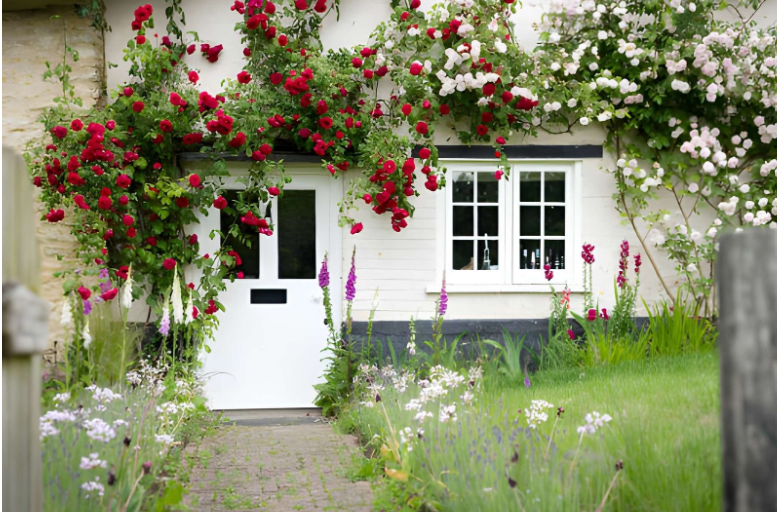
Roses are among the most beloved garden flowers in the world, known for their beauty, fragrance, and timeless appeal. Whether you want to create a colorful flower bed, grow climbing roses on a trellis, or enjoy fresh blooms in containers, learning how to grow healthy roses at home is easier than many gardeners think. With the right location, soil, watering routine, and care, your roses can thrive and produce stunning flowers season after season.
Choose the Right Rose Variety
The first step to growing healthy roses at home is choosing the right variety for your space and climate. There are many types of roses, including hybrid tea roses, floribunda roses, shrub roses, miniature roses, and climbing roses.
If you are a beginner, consider hardy shrub roses or disease-resistant varieties. These roses usually require less maintenance and are more forgiving than delicate hybrid teas. For small spaces, miniature roses or patio roses are excellent choices. If you have a fence, wall, or arbor, climbing roses can add height and charm to your garden.
Before buying a rose plant , check whether it is suitable for your USDA hardiness zone or local climate. Healthy roses Ga6789.com begin with selecting plants that can adapt well to your growing conditions.
Pick the Best Planting Location
Roses need plenty of sunlight to grow strong and produce abundant blooms. Choose a location that receives at least six hours of direct sunlight each day. Morning sun is especially helpful because it dries dew from the leaves, reducing the risk of fungal diseases.
Good air circulation is also important. Avoid planting roses too close to walls, dense shrubs, or other plants that block airflow. Crowded conditions can encourage pests and diseases.
If you are growing roses in containers, place the pots in a bright area such as a sunny patio, balcony, or garden corner. Make sure the containers are large enough and have drainage holes.
Prepare Rich, Well-Draining Soil
Healthy soil is essential for growing healthy roses. Roses prefer fertile, well-draining soil with a slightly acidic to neutral pH, ideally between 6.0 and 7.0. Heavy clay soil can hold too much water, while sandy soil may dry out too quickly. Improving the soil before planting gives roses the best start.
Mix organic matter such as compost, aged manure, or leaf mold into the planting area. This improves soil structure, adds nutrients, and supports beneficial microorganisms. If your garden soil drains poorly, consider planting roses in raised beds or containers.
For container roses, use a high-quality potting mix rather than regular garden soil. A good potting mix helps roots breathe and prevents waterlogging.
Plant Roses Correctly
Proper planting helps roses establish strong roots. Dig a hole that is wider and slightly deeper than the root ball. If you are planting bare-root roses, soak the roots in water for several hours before planting.
Place the rose in the hole so the bud union, the swollen area where the rose was grafted, is at the correct level. In colder climates, the bud union is often planted slightly below the soil surface for protection. In warmer climates, it may sit just above the soil.
Backfill the hole with soil mixed with compost, gently firm it around the roots, and water deeply. Add a layer of mulch around the base, but keep it a few inches away from the stem to prevent rot.
Water Roses the Right Way
Consistent watering is one of the most important parts of rose care. Roses need deep watering to encourage strong root growth. Instead of watering lightly every day, water deeply once or twice a week, depending on the weather and soil type.
Try to water at the base of the plant rather than overhead. Wet leaves can increase the chance of fungal diseases such as black spot and powdery mildew. A soaker hose or drip irrigation system works well for rose gardens.
During hot, dry weather, container roses may need more frequent watering because pots dry out faster than garden beds. Check the soil regularly and water when the top inch feels dry.
Feed Roses for Better Blooms
Roses are heavy feeders and benefit from regular fertilizing during the growing season. Use a balanced rose fertilizer or an organic option such as compost, fish emulsion, bone meal, or well-rotted manure.
Begin feeding roses in spring when new growth appears. Continue fertilizing throughout the blooming season, following the instructions on the product label. Avoid applying too much fertilizer, as this can lead to weak growth and fewer flowers.
Stop fertilizing about six weeks before your first expected frost. This allows the plant to slow down and prepare for winter.
Prune Roses for Shape and Health
Pruning keeps roses healthy, improves airflow, and encourages more blooms. The best time to prune most roses is in early spring, just as buds begin to swell.
Use clean, sharp pruning shears. Remove dead, damaged, or diseased wood first. Then cut away weak or crossing branches. Aim to create an open shape that allows sunlight and air to reach the center of the plant.
During the blooming season, remove faded flowers, a practice called deadheading. This encourages many rose varieties to produce more blooms. Cut spent flowers back to a healthy leaf with five leaflets.
Protect Roses from Pests and Diseases
Common rose problems include aphids, spider mites, Japanese beetles, black spot, rust, and powdery mildew. Inspect your roses regularly so you can catch issues early.
For aphids, a strong spray of water may be enough to remove them. Insecticidal soap or neem oil can help control many soft-bodied pests. Encourage beneficial insects such as ladybugs and lacewings, which naturally feed on pests.
To prevent diseases, keep leaves dry, provide good air circulation, and remove fallen leaves from around the plant. If you notice diseased foliage, prune it off and dispose of it away from the garden.
Mulch and Winter Care
Mulching roses helps conserve moisture, suppress weeds, and regulate soil temperature. Apply a two- to three-inch layer of organic mulch such as bark, straw, shredded leaves, or compost around the base of the plant.
In colder climates, protect roses before winter. Mound soil or mulch around the base after the first hard frost. For especially tender roses, use burlap or rose cones for extra protection. In spring, remove winter protection gradually as temperatures rise.
Final Tips for Growing Healthy Roses at Home
Growing healthy roses at home requires patience, observation, and consistent care. Choose the right rose variety, plant it in a sunny location, improve the soil, water deeply, and prune regularly. By preventing pests and diseases early and feeding your roses properly, you can enjoy strong plants and beautiful blooms throughout the growing season.
With a little attention and the right techniques, your home garden can become a vibrant rose-filled space Đá gà Ga6789 that adds color, fragrance, and elegance year after year.