NJIT Blog

Sample Page

Category: General

  • Why Saving Habits Matter

    Why Saving Habits Matter

    Saving money is one of the most important financial https://pg88.cloud/ that helps individuals create security, achieve goals, and prepare for the future. While earning money is essential, how people manage and save their income plays a major role in their financial success. Saving habits allow individuals to handle unexpected situations, reduce financial stress, and create opportunities for personal growth. Many people believe that saving requires a large income, but even small amounts saved consistently can make a significant difference over time. Developing strong saving habits is not only about money; it is about building discipline, confidence, and a better approach toward financial planning.

    Understanding the Importance of Saving

    Saving means setting aside a portion of income for future use instead of spending everything immediately. It provides financial protection and helps individuals prepare for both planned and unexpected expenses.

    Without savings, people may struggle when facing emergencies, sudden costs, or changes in income. A strong saving habit creates a safety net that provides greater stability and peace of mind.

    Understanding the value of saving encourages individuals to make smarter financial decisions and focus on long-term benefits.

    Building Financial Security

    One of the biggest benefits of saving habits is increased financial security. Having savings allows individuals to manage unexpected situations without depending heavily on loans or outside support.

    Emergency funds can help cover important expenses such as medical needs, repairs, or temporary income challenges. This financial protection reduces stress and allows people to handle difficulties with greater confidence.

    Consistent saving creates a stronger foundation for a secure future.

    Achieving Personal Goals

    Saving habits make it easier to achieve personal and financial goals. Whether someone wants to buy a home, start a business, continue education, or plan a special experience, savings provide the resources needed to reach those goals.

    A clear saving plan helps individuals break large goals into smaller, manageable steps. Each contribution brings them closer to achieving their objectives.

    Saving transforms future dreams into realistic and achievable plans.

    Developing Financial Discipline

    Saving regularly requires discipline and commitment. It teaches individuals to control spending, prioritize needs, and make thoughtful financial choices.

    When people develop the habit of saving, they become more aware of their financial behavior. They learn to avoid unnecessary expenses and focus on what truly matters.

    Financial discipline created through saving habits can improve money management skills in all areas of life.

    Reducing Financial Stress

    Money-related stress is common when individuals do not have enough resources to handle unexpected situations. Saving habits help reduce this pressure by creating financial preparation.

    Knowing that there is money available for emergencies provides confidence and emotional relief. Savings allow individuals to make decisions without constant worry about immediate financial problems.

    A healthy saving routine contributes to better overall well-being.

    Creating Opportunities for Growth

    Savings can create opportunities that may not be possible without financial preparation. Having saved funds allows individuals to invest in education, personal development, business ideas, or other valuable opportunities.

    Financial flexibility gives people more freedom to make choices that support their goals. Instead of being limited by financial difficulties, they can explore possibilities for growth.

    Saving opens doors to new experiences and achievements.

    Learning the Value of Money

    Saving habits teach individuals the importance of money and responsible financial behavior. When people save, they become more thoughtful about how they earn and spend their income.

    This awareness helps create better purchasing decisions and encourages long-term financial thinking. Understanding the value of money is an important skill that benefits individuals throughout their lives.

    Good saving habits create a healthier relationship with finances.

    Starting Small and Growing Over Time

    Many people delay saving because they believe they need a large amount of money to begin. However, successful saving often starts with small steps.

    Setting aside a small amount regularly can gradually build significant savings over time. The key is consistency rather than the size of each contribution.

    Small saving habits developed today can create meaningful financial benefits in the future.

    Preparing for the Future

    Saving habits help individuals prepare for important future needs. Whether planning for retirement, major purchases, or family responsibilities, having savings creates greater confidence.

    Future financial challenges become easier to manage when individuals have already prepared. Planning ahead allows people to focus on their goals without unnecessary financial pressure.

    A strong saving habit is an investment in future stability.

    Creating a Better Financial Lifestyle

    Saving money is not about avoiding enjoyment or limiting life experiences. Instead, it is about creating balance between present needs and future goals.

    People with healthy saving habits can enjoy life while still preparing for tomorrow. This balanced approach creates financial confidence and allows individuals to make choices with greater freedom.

    A responsible financial lifestyle leads to long-term satisfaction.

    Conclusion

    Saving habits matter because they provide financial security, reduce stress, and help individuals achieve their goals. Developing the habit of saving teaches discipline, improves money management, and creates Casino PG88 for future growth. Financial success is not only about how much money a person earns but also about how effectively they manage their resources. By starting small, saving consistently, and making thoughtful financial decisions, individuals can build a stronger foundation for the future. Good saving habits today can lead to greater stability, confidence, and success tomorrow.

  • Why Online Safety Matters

    Why Online Safety Matters

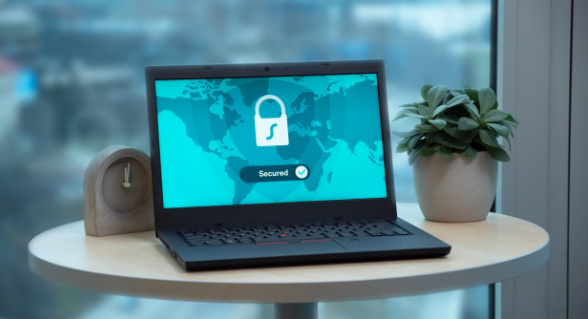
    The internet has become an essential part of modern life. People use it to learn, communicate, shop, work, manage finances, and enjoy entertainment. With so much of everyday life happening online, staying safe in digital spaces has become just as important as protecting ourselves in the physical world.

    Online safety is not about being afraid of technology. It is about using digital tools responsibly and understanding the risks that can come with them. From protecting personal information to recognizing suspicious messages, simple habits can make a significant difference. By developing good online safety practices, people can enjoy the benefits of the internet while reducing unnecessary risks.

    Protecting Personal Information

    Personal information is valuable. Names, addresses, phone numbers, passwords, and account details can be misused when they fall into the wrong hands.

    People should think carefully before sharing private information online. Not every website, application, or person needs access to personal details.

    Using strong, unique passwords and enabling additional account security features can provide extra protection.

    It is also important to review privacy settings on social media and other platforms. Understanding who can see shared information helps people maintain greater control over their digital presence.

    Recognizing Online Scams

    Online scams have become increasingly sophisticated. Fraudulent messages may appear to come from trusted companies, friends, or organizations.

    Some scams create a sense of urgency by claiming that immediate action is required. Others may offer rewards that seem too good to be true.

    Learning to recognize warning signs is an important part of online safety. People should be cautious with unexpected messages, unfamiliar links, and requests for sensitive information.

    When something seems suspicious, taking a moment to verify it can prevent serious problems.

    Strong Passwords Make a Difference

    Passwords are often the first line of defense for online accounts.

    Using simple passwords or repeating the same password across multiple accounts can create unnecessary risks. If one account is compromised, other accounts using the same password may also become vulnerable.

    Strong passwords should be difficult for others to guess. Using different passwords for important accounts is also a smart habit.

    Where available, multi-factor authentication can add another layer of security by requiring an additional verification step.

    Being Careful on Social Media

    Social media allows people to connect and share experiences, but it also creates privacy concerns.

    People should think carefully before posting personal details, photographs, or information about their daily routines.

    Once something is shared online, it may be difficult to completely remove it.

    It is also important to remember that not everything seen on social media is accurate. False information can spread quickly, so users should consider the source before believing or sharing content.

    Responsible social media use involves both protecting personal information and thinking critically about what we see.

    Safe Online Shopping

    Online shopping offers convenience, but it also requires caution.

    Before purchasing from an unfamiliar website, people should check whether the business appears legitimate and whether the website uses secure payment methods.

    Suspiciously low prices, poor website quality, or pressure to pay through unusual methods can be warning signs.

    Consumers should also avoid entering payment information on public or unsecured devices.

    A few moments of careful checking can help prevent financial problems.

    Protecting Children and Young Users

    Children and teenagers often spend significant time online for education, entertainment, and social interaction. Teaching young users about digital safety is therefore essential.

    They should understand the importance of privacy, respectful communication, and reporting inappropriate behavior.

    Parents, teachers, and guardians can help by encouraging open conversations about online experiences.

    The goal should not be to create fear but to help young people develop the confidence to recognize risks and ask for help when something feels wrong.

    Keeping Devices Secure

    Online safety also depends on protecting the devices people use.

    Regular software updates often include important security improvements. Keeping operating systems, applications, and security tools updated can reduce certain risks.

    People should also be careful when downloading unfamiliar files or applications.

    Using trusted sources and reviewing app permissions can help users understand what information an application may access.

    Thinking Before Clicking

    Many online problems begin with a single careless click.

    An unfamiliar link may lead to a fraudulent website, while an unexpected attachment could contain harmful software.

    Before clicking, users should consider whether they recognize the sender and whether the message makes sense.

    If a message creates panic or demands immediate action, it is often better to pause and verify the information through an official source.

    Taking a few extra seconds can prevent significant trouble.

    Digital Footprints Matter

    Everything people do online can contribute to their digital footprint.

    Comments, photographs, posts, and other activities may remain accessible long after they are shared.

    This is particularly important for students and young professionals. Future schools, employers, or organizations may consider publicly available online information when forming impressions.

    Maintaining a positive digital presence means thinking about the long-term impact of online actions.

    Conclusion

    Online safety matters because the internet has become deeply connected to everyday life. Protecting personal information, recognizing scams, using strong passwords, and thinking carefully before clicking or sharing can help people navigate digital spaces more confidently.

    The goal of online safety is not to avoid technology . It is to use technology wisely.

    As the digital world continues to grow, new risks and challenges will likely appear. This makes digital awareness an ongoing responsibility rather than a one-time lesson.

    By developing simple safety habits and staying informed, people can reduce many common risks while enjoying the incredible opportunities the internet provides.

    Ultimately, online safety begins with awareness. A careful click, a strong password, or a decision to pause before sharing information can make a meaningful difference. When people combine curiosity with caution, they can build healthier and safer digital experiences for themselves and the communities around them.

  • How Knowledge Creates Better Futures

    How Knowledge Creates Better Futures

    Knowledge has always been a driving force behind human TG88.com progress. It shapes the way people think, make decisions, solve problems, and create opportunities. A better future does not happen by chance; it is built through understanding, education, and the continuous pursuit of learning. When individuals and communities value knowledge, they gain the ability to overcome challenges and create meaningful improvements in the world.

    Knowledge as the Foundation of Progress

    Every major advancement in human history has been connected to knowledge. From scientific discoveries to technological innovations, learning has helped people transform ideas into reality. Knowledge allows individuals to understand problems more deeply and develop solutions that improve everyday life.

    A society that invests in knowledge creates an environment where creativity and innovation can grow. When people have access to education and information, they are more capable of developing new ideas and contributing to positive change. Knowledge provides the foundation needed for progress in areas such as healthcare, technology, business, and social development.

    Empowering Individuals Through Learning

    Knowledge gives individuals the confidence and skills needed to achieve their goals. Learning helps people discover their abilities, develop talents, and make better decisions. Whether through formal education, personal experiences, or self-learning, every new piece of knowledge contributes to personal growth.

    An informed person is better prepared to face challenges and adapt to changes. In a world that constantly evolves, the ability to learn and understand new concepts has become one of the most valuable skills. Knowledge allows people to explore opportunities and build a stronger future for themselves and their families.

    Creating Opportunities Through Education

    Education is one of the most powerful ways knowledge reaches people. It provides individuals with essential skills, improves career opportunities, and helps them become active members of society. Quality education opens doors and allows people to participate in economic and social development.

    Beyond professional success, education teaches important values such as responsibility, teamwork, and critical thinking. These qualities help individuals become better decision-makers and contribute positively to their communities. A future built on education is more likely to be balanced, innovative, and successful.

    Knowledge Encourages Innovation and Creativity

    The world continues to change because people use knowledge to create new solutions. Inventors, researchers, and entrepreneurs rely on learning and experience to develop ideas that solve problems and improve lives. Knowledge encourages curiosity, which leads to exploration and discovery.

    Creativity grows when people have a strong understanding of different subjects and perspectives. By combining knowledge with imagination, individuals can develop unique solutions to challenges. This connection between learning and creativity is essential for building a future filled with new possibilities.

    Building Stronger Communities

    Knowledge does not only benefit individuals; it strengthens communities as well. When people are educated and informed, they can work together to address common issues and create positive environments. Knowledge encourages cooperation, understanding, and respect among different groups.

    Communities that focus on learning often experience greater growth and development. Shared knowledge allows people to exchange ideas, support each other, and create solutions that benefit everyone. A knowledgeable society is better equipped to handle challenges and prepare for future needs.

    The Role of Technology in Spreading Knowledge

    Technology has made knowledge more accessible than ever before. Digital platforms, online courses, and educational resources allow people from different backgrounds to learn new skills and gain information. This has created new opportunities for personal and professional development.

    However, using technology wisely is important. Not all information available online is reliable, so developing critical thinking skills is necessary. When people learn how to find, understand, and use accurate information, technology becomes a powerful tool for creating a better future.

    Preparing Future Generations

    The future depends on how well we educate and inspire the next generation. Young people need opportunities to explore, ask questions, and develop their abilities. Encouraging a love for learning helps them become confident thinkers and problem-solvers.

    Knowledge gives future generations the tools they need to face challenges such as environmental issues, technological changes, and social development. By supporting education and lifelong learning, we can prepare individuals to create solutions that benefit the entire world.

    Conclusion

    Knowledge is one of the greatest resources for building a better future. It empowers individuals, strengthens communities, and drives innovation. Through learning and education, people gain the ability to understand challenges, create opportunities, and make positive contributions to society.

    A future shaped by knowledge is a future filled with growth, creativity, and progress. By continuing to learn, share information, and encourage curiosity, we can Đăng ký TG88 create a world where everyone has the opportunity to succeed and make a difference. Knowledge is not just a tool for personal improvement; it is the foundation for a brighter tomorrow.

  • The Importance of Data Privacy in the Digital Age

    The Importance of Data Privacy in the Digital Age

    In today’s connected world, data is one of the most valuable assets a person or business can own. Every time we browse a website, use a mobile app, shop online, or interact on social media, we create digital information. This data can include names, email addresses, payment details, location history, browsing habits, health records, and even personal preferences. While technology has made life more convenient, it has also increased the need for strong data privacy.

    Data privacy X88.com in the digital age is no longer optional. It is essential for protecting personal freedom, maintaining trust, and ensuring security in an increasingly online society.

    What Is Data Privacy?

    Data privacy refers to the proper handling, storage, use, and protection of personal information. It focuses on giving individuals control over how their data is collected and shared. Unlike data security, which mainly deals with protecting information from unauthorized access, data privacy is about the rights and choices people have regarding their personal data.

    For example, when a company asks for your email address, data privacy involves explaining why the information is needed, how it will be used, and whether it will be shared with third parties. A privacy-conscious organization will collect only the data it needs and will give users clear options to manage their preferences.

    Why Data Privacy Matters

    Data privacy matters because personal information can be misused if it falls into the wrong hands. Cybercriminals can use stolen data for identity theft, financial fraud, phishing scams, and other harmful activities. Even legitimate companies can misuse data by collecting too much information or sharing it without proper consent.

    In the digital age, personal data can reveal more than many people realize. Search history can show interests and concerns. Location data can reveal daily routines. Purchase history can indicate lifestyle choices. When combined, these details create a detailed profile of an individual. Without proper privacy protections, this information can be exploited for manipulation, discrimination, or unwanted surveillance.

    The Rise of Digital Data Collection

    Businesses collect data to improve services, personalize experiences, and make better decisions. Online retailers use customer data to recommend products. Streaming platforms use viewing history to suggest shows. Social media platforms analyze behavior to display targeted content and advertisements.

    While these features can be useful, they also raise concerns. Many users do not fully understand how much data is collected or how it is used. Cookies, tracking pixels, mobile permissions, and online forms often gather information quietly in the background. This makes transparency a key part of responsible data collection.

    Organizations must be clear about their data practices. Users should know what information is being collected, why it is collected, how long it will be stored, and who can access it.

    Data Privacy and Cybersecurity

    Data privacy and cybersecurity are closely connected. If personal data is not properly secured, privacy cannot be guaranteed. Cyberattacks, data breaches, and ransomware incidents have become common threats for businesses, governments, and individuals.

    A data breach can expose sensitive information such as passwords, credit card numbers, medical records, and private communications. The impact can be severe, leading to financial losses, reputational damage, legal penalties, and emotional stress for affected individuals.

    To protect data privacy, organizations need strong cybersecurity measures. These include encryption, secure passwords, multi-factor authentication, regular software updates, access controls, and employee training. Individuals also play a role by using strong passwords, avoiding suspicious links, and being cautious about sharing personal information online.

    The Role of Data Privacy Laws

    Governments around the world have introduced data privacy laws to protect citizens and regulate how organizations handle personal information. Some well-known privacy regulations include the General Data Protection Regulation (GDPR) in the European Union and the California Consumer Privacy Act (CCPA) in the United States.

    These laws give people more rights over their data. For example, individuals may have the right to access their personal information, request corrections, ask for deletion, and opt out of certain data-sharing practices. Businesses that fail to comply with privacy regulations can face significant fines and legal consequences.

    Data privacy laws encourage companies to adopt better practices and build trust with customers. Compliance is not just a legal requirement; it is also a competitive advantage in a marketplace where consumers value transparency and responsibility.

    How Businesses Can Protect Customer Data

    Businesses must treat customer data with care. Protecting data privacy begins with collecting only the information that is necessary. Companies should avoid storing sensitive data unless it is essential for providing a service.

    A clear privacy policy is also important. It should be easy to read and explain how data is collected, used, shared, and protected. Businesses should also obtain consent before collecting personal information and provide users with options to manage their data.

    Regular security audits, employee training, and updated technology systems can reduce the risk of data breaches. Companies should also have a response plan in place in case a breach occurs. Acting quickly and communicating honestly can help limit damage and maintain customer trust.

    How Individuals Can Protect Their Personal Data

    Individuals can take several steps to improve their data privacy online. One of the most important actions is to use strong, unique passwords for different accounts. A password manager can help store and manage login details securely.

    Enabling multi-factor authentication adds an extra layer of protection. Users should also review app permissions and limit access to location, camera, microphone, and contacts when these features are not needed.

    It is also wise to be careful when using public Wi-Fi, as unsecured networks can expose personal information. Avoid entering sensitive details, such as banking information, on public connections unless using a trusted virtual private network.

    Reading privacy settings on social media platforms is another helpful step. Limiting who can view posts, photos, and personal details reduces the risk of unwanted exposure.

    The Future of Data Privacy

    As artificial intelligence, smart devices, and digital platforms continue to grow, data privacy will become even more important. Technologies such as facial recognition, voice assistants, wearable devices, and connected home systems collect large amounts of personal information.

    The future of data privacy will depend on stronger regulations, better technology, and greater public awareness. Businesses will need to design products with privacy in mind from the beginning. This approach, often called “privacy by design,” ensures that data protection is built into systems rather than added later.

    Consumers will also need to stay informed and make careful choices about the services they use.

    Conclusion

    The importance of data privacy in the digital age cannot be overstated. Personal information is constantly being collected, analyzed, and shared, making privacy protection essential for individuals and organizations alike.

    Strong data privacy practices help prevent identity theft, reduce cyber risks, build trust, and protect personal freedom. Businesses must be transparent and responsible, while individuals must take active steps to secure their information.

    In a world driven by digital data, privacy is not just a technical issue. It is a fundamental right and a key part of a safer, more trustworthy online future.

    In this article, we will explore time management strategies that work in real life and help you make the most of every day.

    Why Time Management Matters

    Good time management Nổ hũ X88 is not just about getting more tasks done. It is about using your time intentionally so you can focus on what truly matters. When you manage your time well, you gain greater control over your schedule and reduce the pressure of last-minute deadlines.

    Effective time management can improve productivity, support better decision-making, and create a healthier work-life balance. It also helps you avoid burnout by making space for rest, hobbies, and personal relationships. Instead of feeling busy all the time, you can become more purposeful and efficient.

    Set Clear Goals

    One of the most important time management strategies is setting clear goals. Without specific goals, it is easy to spend time on tasks that do not move you forward. Clear goals give your day direction and help you decide what deserves your attention.

    Start by identifying your long-term goals, then break them into smaller weekly or daily objectives. For example, instead of saying, “I want to be more productive,” set a specific goal like, “I will complete three important reports by Friday.” Clear goals are easier to track and more motivating to achieve.

    Using the SMART goal method can also help. Make sure your goals are Specific, Measurable, Achievable, Relevant, and Time-bound.

    Prioritize Your Tasks

    Not all tasks are equally important. Some activities bring major results, while others simply keep you busy. Learning how to prioritize is essential for effective time management.

    A helpful method is the Eisenhower Matrix, which divides tasks into four categories:

    t and important  

    – Important but not urgent  

    – Urgent but not important  

    – Not urgent and not important  

    Focus first on tasks that are both urgent and important. Then schedule time for important but non-urgent work, such as planning, learning, or relationship-building. These tasks often create long-term success but are easy to ignore if you are always reacting to urgent demands.

    Use a Daily Plan

    A daily plan helps you start each day with purpose. Instead of jumping from one task to another, you know exactly what needs to be done. Planning your day can take as little as 10 minutes, but it can save hours of wasted time.

    At the beginning or end of each day, write down your top priorities. Choose three main tasks that must be completed. This keeps your schedule realistic and prevents you from overloading yourself.

    You can use a paper planner, digital calendar, task management app, or simple to-do list. The best tool is the one you will actually use consistently.

    Try Time Blocking

    Time blocking is one of the most effective time management techniques. It involves scheduling specific blocks of time for different tasks or activities. For example, you might block 9:00 a.m. to 10:30 a.m. for deep work, 10:30 a.m. to 11:00 a.m. for emails, and 2:00 p.m. to 3:00 p.m. for meetings.

    This strategy helps protect your focus and reduces the temptation to multitask. It also gives structure to your day, making it easier to manage deadlines and responsibilities.

    When using time blocking, remember to include breaks. Working nonstop can reduce productivity and lead to fatigue. Short breaks help refresh your mind and improve concentration.

    Avoid Multitasking

    Many people believe multitasking helps them get more done, but it often has the opposite effect. Switching between tasks takes mental energy and can reduce the quality of your work. You may feel busy, but you are usually less efficient.

    Instead, practice single-tasking. Focus on one task at a time until it is complete or until your scheduled time block ends. Turn off unnecessary notifications, close extra browser tabs, and create a workspace that supports concentration.

    By giving your full attention to one task, you can work faster and produce better results.

    Learn to Say No

    One of the most overlooked time management strategies is learning to say no. If you say yes to every request, your schedule can quickly become filled with tasks that do not align with your priorities.

    Saying no does not mean being rude or unhelpful. It means respecting your time and energy. You can politely decline by saying, “I’m not available for that right now,” or “I can’t take this on without affecting my current priorities.”

    Setting boundaries allows you to focus on your most important responsibilities and avoid unnecessary stress.

    Use the Two-Minute Rule

    The two-minute rule is a simple but powerful productivity technique. If a task takes less than two minutes to complete, do it immediately. This may include replying to a short email, filing a document, or confirming an appointment.

    Small tasks can pile up quickly and create mental clutter. Completing them right away prevents your to-do list from becoming overwhelming. However, be careful not to let minor tasks distract you from deep work. Use this rule wisely during transition times or administrative periods.

    Review and Improve Your Schedule

    Time management is not about creating a perfect schedule once and following it forever. Your responsibilities and priorities will change, so your approach should change too.

    At the end of each week, review how you spent your time. Ask yourself what worked well, what caused delays, and what you can improve. This reflection helps you identify patterns and make better decisions in the future.

    Contnuous improvement is key. Even small adjustments can lead to better productivity and less stress over time.

    Final Thoughts

    Time management strategies that work are simple, practical, and consistent. By setting clear goals, prioritizing tasks, planning your day, using time blocking, and reducing distractions, you can take control of your schedule and improve your productivity.

    The goal is not to fill every minute with work. The goal is to use your time wisely so you can achieve meaningful results while still enjoying your life. Start with one or two strategies today, practice them consistently, and build from there. Over time, better time management can help you feel more focused, confident, and in control.


  • How to Grow Healthy Roses at Home

    How to Grow Healthy Roses at Home

    Roses are among the most beloved garden flowers in the world, known for their beauty, fragrance, and timeless appeal. Whether you want to create a colorful flower bed, grow climbing roses on a trellis, or enjoy fresh blooms in containers, learning how to grow healthy roses at home is easier than many gardeners think. With the right location, soil, watering routine, and care, your roses can thrive and produce stunning flowers season after season.

    Choose the Right Rose Variety

    The first step to growing healthy roses at home is choosing the right variety for your space and climate. There are many types of roses, including hybrid tea roses, floribunda roses, shrub roses, miniature roses, and climbing roses.

    If you are a beginner, consider hardy shrub roses or disease-resistant varieties. These roses usually require less maintenance and are more forgiving than delicate hybrid teas. For small spaces, miniature roses or patio roses are excellent choices. If you have a fence, wall, or arbor, climbing roses can add height and charm to your garden.

    Before buying a rose plant , check whether it is suitable for your USDA hardiness zone or local climate. Healthy roses Ga6789.com begin with selecting plants that can adapt well to your growing conditions.

    Pick the Best Planting Location

    Roses need plenty of sunlight to grow strong and produce abundant blooms. Choose a location that receives at least six hours of direct sunlight each day. Morning sun is especially helpful because it dries dew from the leaves, reducing the risk of fungal diseases.

    Good air circulation is also important. Avoid planting roses too close to walls, dense shrubs, or other plants that block airflow. Crowded conditions can encourage pests and diseases.

    If you are growing roses in containers, place the pots in a bright area such as a sunny patio, balcony, or garden corner. Make sure the containers are large enough and have drainage holes.

    Prepare Rich, Well-Draining Soil

    Healthy soil is essential for growing healthy roses. Roses prefer fertile, well-draining soil with a slightly acidic to neutral pH, ideally between 6.0 and 7.0. Heavy clay soil can hold too much water, while sandy soil may dry out too quickly. Improving the soil before planting gives roses the best start.

    Mix organic matter such as compost, aged manure, or leaf mold into the planting area. This improves soil structure, adds nutrients, and supports beneficial microorganisms. If your garden soil drains poorly, consider planting roses in raised beds or containers.

    For container roses, use a high-quality potting mix rather than regular garden soil. A good potting mix helps roots breathe and prevents waterlogging.

    Plant Roses Correctly

    Proper planting helps roses establish strong roots. Dig a hole that is wider and slightly deeper than the root ball. If you are planting bare-root roses, soak the roots in water for several hours before planting.

    Place the rose in the hole so the bud union, the swollen area where the rose was grafted, is at the correct level. In colder climates, the bud union is often planted slightly below the soil surface for protection. In warmer climates, it may sit just above the soil.

    Backfill the hole with soil mixed with compost, gently firm it around the roots, and water deeply. Add a layer of mulch around the base, but keep it a few inches away from the stem to prevent rot.

    Water Roses the Right Way

    Consistent watering is one of the most important parts of rose care. Roses need deep watering to encourage strong root growth. Instead of watering lightly every day, water deeply once or twice a week, depending on the weather and soil type.

    Try to water at the base of the plant rather than overhead. Wet leaves can increase the chance of fungal diseases such as black spot and powdery mildew. A soaker hose or drip irrigation system works well for rose gardens.

    During hot, dry weather, container roses may need more frequent watering because pots dry out faster than garden beds. Check the soil regularly and water when the top inch feels dry.

    Feed Roses for Better Blooms

    Roses are heavy feeders and benefit from regular fertilizing during the growing season. Use a balanced rose fertilizer or an organic option such as compost, fish emulsion, bone meal, or well-rotted manure.

    Begin feeding roses in spring when new growth appears. Continue fertilizing throughout the blooming season, following the instructions on the product label. Avoid applying too much fertilizer, as this can lead to weak growth and fewer flowers.

    Stop fertilizing about six weeks before your first expected frost. This allows the plant to slow down and prepare for winter.

    Prune Roses for Shape and Health

    Pruning keeps roses healthy, improves airflow, and encourages more blooms. The best time to prune most roses is in early spring, just as buds begin to swell.

    Use clean, sharp pruning shears. Remove dead, damaged, or diseased wood first. Then cut away weak or crossing branches. Aim to create an open shape that allows sunlight and air to reach the center of the plant.

    During the blooming season, remove faded flowers, a practice called deadheading. This encourages many rose varieties to produce more blooms. Cut spent flowers back to a healthy leaf with five leaflets.

    Protect Roses from Pests and Diseases

    Common rose problems include aphids, spider mites, Japanese beetles, black spot, rust, and powdery mildew. Inspect your roses regularly so you can catch issues early.

    For aphids, a strong spray of water may be enough to remove them. Insecticidal soap or neem oil can help control many soft-bodied pests. Encourage beneficial insects such as ladybugs and lacewings, which naturally feed on pests.

    To prevent diseases, keep leaves dry, provide good air circulation, and remove fallen leaves from around the plant. If you notice diseased foliage, prune it off and dispose of it away from the garden.

    Mulch and Winter Care

    Mulching roses helps conserve moisture, suppress weeds, and regulate soil temperature. Apply a two- to three-inch layer of organic mulch such as bark, straw, shredded leaves, or compost around the base of the plant.

    In colder climates, protect roses before winter. Mound soil or mulch around the base after the first hard frost. For especially tender roses, use burlap or rose cones for extra protection. In spring, remove winter protection gradually as temperatures rise.

    Final Tips for Growing Healthy Roses at Home

    Growing healthy roses at home requires patience, observation, and consistent care. Choose the right rose variety, plant it in a sunny location, improve the soil, water deeply, and prune regularly. By preventing pests and diseases early and feeding your roses properly, you can enjoy strong plants and beautiful blooms throughout the growing season.

    With a little attention and the right techniques, your home garden can become a vibrant rose-filled space Đá gà Ga6789 that adds color, fragrance, and elegance year after year.